
The Best Coding Bootcamps in the Philippines: Top Guide October 2026
Six schools produce most of the country's bootcamp graduates. How their tuition models, formats and placement claims actually compare.
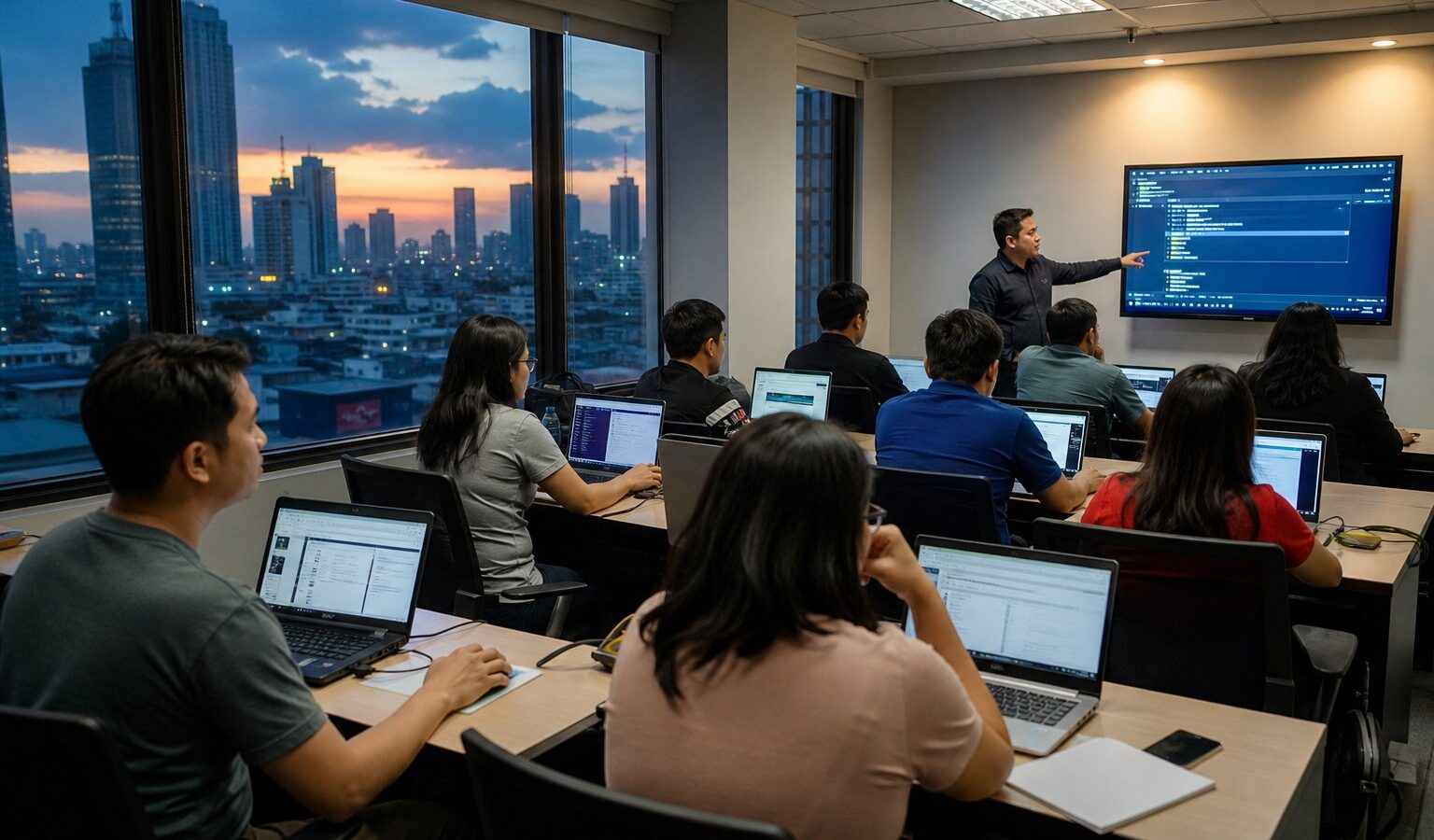
Bootcamps, certification schools, university programs and free government courses — the complete map of the Philippine tech-skills landscape.
Around 190,000 Filipinos now work in software and IT services, and the Department of Information and Communications Technology wants that number to more than double by 2030. The catch: college CS programs alone can’t supply it. That gap turned IT training in the Philippines into its own industry. This guide maps who currently offers the best IT training in the Philippines as of October 2026 — bootcamps, certification schools, university programs and free government courses — so you can tell which route fits your situation before you hand anyone tuition money.
Almost every provider in the country falls into one of four lanes. The best IT training in the Philippines for you depends less on prestige and more on which lane matches your starting point and budget.
| Lane | Typical length | Typical cost | Best for |
|---|---|---|---|
| Coding bootcamps (Zuitt, Uplift Code Camp, KodeGo) | 8–24 weeks | ₱0 upfront to ₱90,000 | Career switchers targeting web development jobs |
| Certification schools (CNCTC, ActiveLearning, Trainocate) | 2 days–6 months | ₱15,000–₱150,000 | Working IT staff chasing CCNA, cloud or security certs |
| University extension programs (UP EPPO, MMDC, CIIT) | 6 months–4 years | varies widely | Students who want a credential employers never question |
| Free and subsidized courses (TESDA, DICT digitaljobsPH) | self-paced | free | Testing the waters before committing money |
The full comparisons live in the dedicated guides: coding bootcamps, cybersecurity courses and ethical hacking training each get their own sheet, and the hackathon events guide covers the competition circuit where trainees actually test themselves.
Rankings that ignore your goal are decoration. Read this instead as a routing table:
One pattern worth knowing: October is the busiest month for tech events in the country, and several bootcamps time their cohort starts right after the conference season. If you want classmates who just got motivated at a summit rather than ones burning out mid-year, the Q4 intakes are consistently livelier.
Prices moved noticeably over the past two years. Web-dev bootcamps mostly held their line, while anything labeled “AI” or “cybersecurity” got 15–30% more expensive. As of October 2026, realistic budget anchors: ₱35,000–₱90,000 for a serious bootcamp, ₱25,000–₱60,000 for a security specialist track like CIIT’s, and ₱150,000+ for internationally proctored certifications with exam vouchers bundled in. Free IT courses in the Philippines exist at real scale too — TESDA’s online academy alone has pushed millions of Filipinos through basic digital-skills modules, though completion tells a humbler story than enrollment.
8Layer Academy is an editorial project, not a school — nothing on this sheet is sponsored and no provider pays for placement. The team tracks provider pricing pages, DICT announcements and community reports, and each guide carries its own revision date. The event records section documents formative moments of this scene — the Safe Cities Hackathon that UN Women ran with local developers, and Hack UP at UP Diliman.
Start free: TESDA’s online courses or DICT’s digitaljobsPH modules tell you within two weeks whether the work suits you. If it does, a structured bootcamp with placement support is the logical second step — the guide to the best coding bootcamps in the Philippines compares the main options.
Vendor certifications (Cisco, AWS, CompTIA, EC-Council) are recognized everywhere because the exams are standardized globally. Local bootcamp certificates carry less weight overseas on paper — but the portfolio and the take-home test matter more than the certificate in most remote-hiring processes, and that’s true of most IT courses in the Philippines that lead to them.
Full-time bootcamp graduates typically reach hireable level in three to six months. Part-time routes stretch to a year. Security roles take longer: expect 12–18 months of stacked training and at least one certification before the interviews get serious.
The advertising budgets are real, which is exactly why no listing here is paid. Where a provider’s marketing claim couldn’t be verified against public pricing or graduate reports, the claim simply isn’t repeated.
Six schools produce most of the country's bootcamp graduates. How their tuition models, formats and placement claims actually compare.

From CIIT's specialist tracks to the UP professional course — who teaches defensive, offensive and compliance security, and what it…

CEH gets you past recruiters, OSCP earns the technical floor's respect. The certification landscape, mapped.
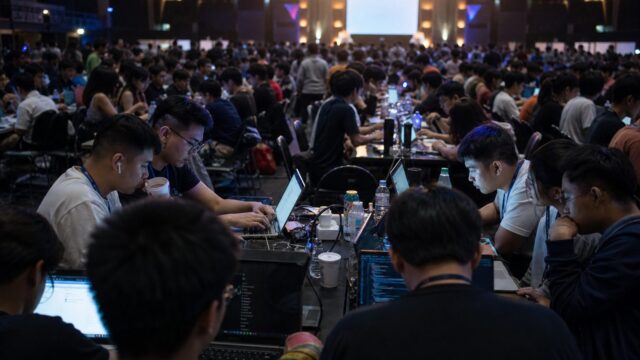
The recurring events, how to get a slot, and the decade of history under the circuit.

In May 2016, UN Women handed harassment data to 56 Filipino developers. This is the record of what they built.
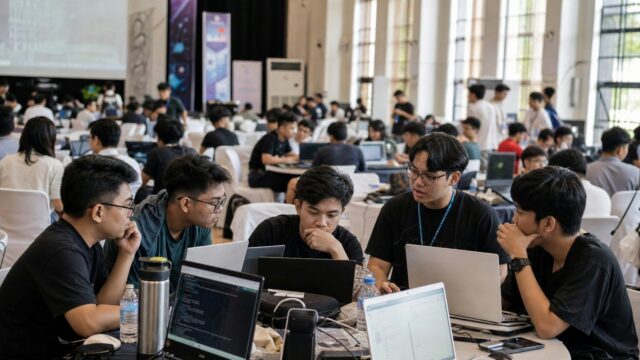
The 2015 intercollegiate hackathon at UP Diliman that helped normalize the format for Philippine campuses.
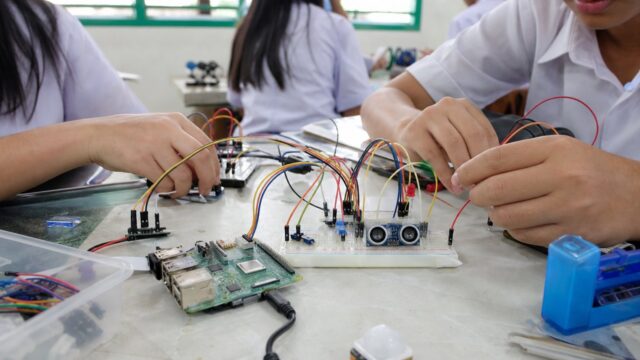
A classroom set of microcontrollers costs less than one laptop and fails in ways that teach debugging.
Open Source
The transition is common enough that schools design payment models around it. The realistic path, including the salary dip nobody mentions.
Bootcamps
Every third Saturday of September, the free-software argument got practical: a working Linux install and a user group's number.
Events
Every NPC enforcement wave creates compliance jobs — the unglamorous, undersupplied end of Philippine cybersecurity.
Cybersecurity
Millions of enrollments make TESDA the biggest tech trainer in the country. What an enrollment is worth is the honest question.
Field Notes
Collections, stories and people that changed technology — toured through Metro Manila's schools instead of sitting behind glass.
Open Source